You have chosen the island, booked the flights and started picturing the reef from the surface — the drop-off, the cleaner wrasse, the turtle that ignores you completely. What is still undecided is who takes you out there. That choice shapes your trip far more than most people realise: which sites you visit, how long you linger, whether anyone touches the coral, how the boat is run and where the money ends up. Many operators do this well. Others have learned the vocabulary and not much else. The difference is usually visible before you pay a deposit.
Read the website like a sceptic
Marketing copy on dive sites tends to sound identical. Look instead for commitments you could hold someone to. "We care deeply about the ocean" tells you nothing. "We take a maximum of four divers per guide, use fixed moorings at all our regular sites and do not visit the ray-feeding station" tells you a great deal. So does a page that names the person responsible for environmental policy and says when it was last updated.
Badges deserve a second look rather than automatic dismissal. Some certification schemes require audits, documented procedures and annual fees in return for a logo. Others are a pledge and a payment. If a scheme is unfamiliar, spend two minutes finding out what an operator actually has to do to keep the badge. If the answer is essentially "pay", treat the logo as decoration.
Questions worth asking before you pay
Send these by email rather than asking at the dock. Written answers give you something to compare, and operators who are proud of their practices tend to answer quickly.
- How many divers per guide, and is that number held on a busy day?
- Do you moor at the sites you visit, or anchor?
- What does a typical briefing cover on buoyancy and reef contact?
- Do you run a check-out or refresher dive for divers who haven't been in the water for a while?
- Do you feed fish, or take guests to sites where fish are fed?
- What happens if a guest stands on coral or chases a turtle?
- Is there a marine park or conservation fee, and where does it go?
- Which local conservation project have you supported in the past year, and how?
- Who owns the business, and are local staff employed as guides, not just crew?
You do not need to ask all nine. Pick three or four that matter most to you and put the same questions to two or three operators, then compare. How they reply is as revealing as what they say. A good operator will enjoy the question, and may even admit where they fall short — "we still anchor at two sites because the moorings were damaged in the storm" is a better sign than a flawless list. Evasion, defensiveness or a copy-pasted sustainability paragraph tells you something too.
Greenwashing: the usual tells
Vague claims with no numbers
"Eco-friendly", "sustainable", "we love the reef". Fine sentiments, nothing measurable. Real commitments usually include a figure, a rule or a place name.
Offsetting used as a cover
Carbon offsetting can be legitimate, but it does not cancel out damage done at the reef. If offsetting is the headline of an operator's environmental page, ask what they do on the water first.
Conservation that is really content
Coral planting days, beach clean-ups and rescue stories make good photographs. Ask what happens after the camera is packed away: who monitors the site, whether the fragments survive, whether the clean-up is regular or a one-off. Curiosity is fair; accusations are not.
Awards nobody can explain
Ask which body gave the award and what it required. If the operator cannot say, the award is a graphic.
Watch the dive, not just the paperwork
Some of this you can only judge on the day, but it is worth knowing what to look for. A good briefing covers marine life, the plan, and where not to put your hands and fins. Guides should model the behaviour they ask of you: no touching, no kneeling on coral, no chasing, and a sensible distance kept from turtles and rays. If a guide swims down and pulls a creature out of a crevice for guests to photograph, you have your answer about the rest of the operation.
Group size matters more than most divers think. Twelve people bunched over one bommie means fins in the coral, no matter how careful everyone is. So does kit: a shop that maintains its regulators and tanks properly is usually a shop that takes other standards seriously too. And cover up with a rash vest rather than relying on sunscreen alone; if you do use lotion, a mineral-based one applied well before you get in the water is the gentler choice.
Follow the money
Conservation is mostly about who benefits. An operation that employs local guides and crew, pays them well enough that they return season after season, and keeps as much spending as possible on the island is doing more for the reef than one that flies in staff and sends profits elsewhere. Low staff turnover is one of the clearest signs you will see, and you can simply ask how long the guides have been there. Also ask where park fees go, and whether any portion reaches a named local project. A clear answer, even a modest one, beats a grand claim.
Your five-minute check before booking
- Find three specific environmental commitments on their website. If you cannot, email and ask for them.
- Send the same three questions to two or three operators and compare the replies.
- Read the most recent reviews, looking for mentions of group size, briefings and reef contact.
- Ask who owns the business and how long the guides have worked there.
- Confirm what any conservation fee supports, and who receives it.
- On the day, watch the guides. If guests are standing on coral and nobody says anything, you have learned what you needed to know.
No single booking will fix a reef, and you are not expected to interrogate every shop on the coast. But operators respond to what customers ask for. Ask better questions, spend your money with the ones who answer them, and the standards on that stretch of coast shift a little in your favour.
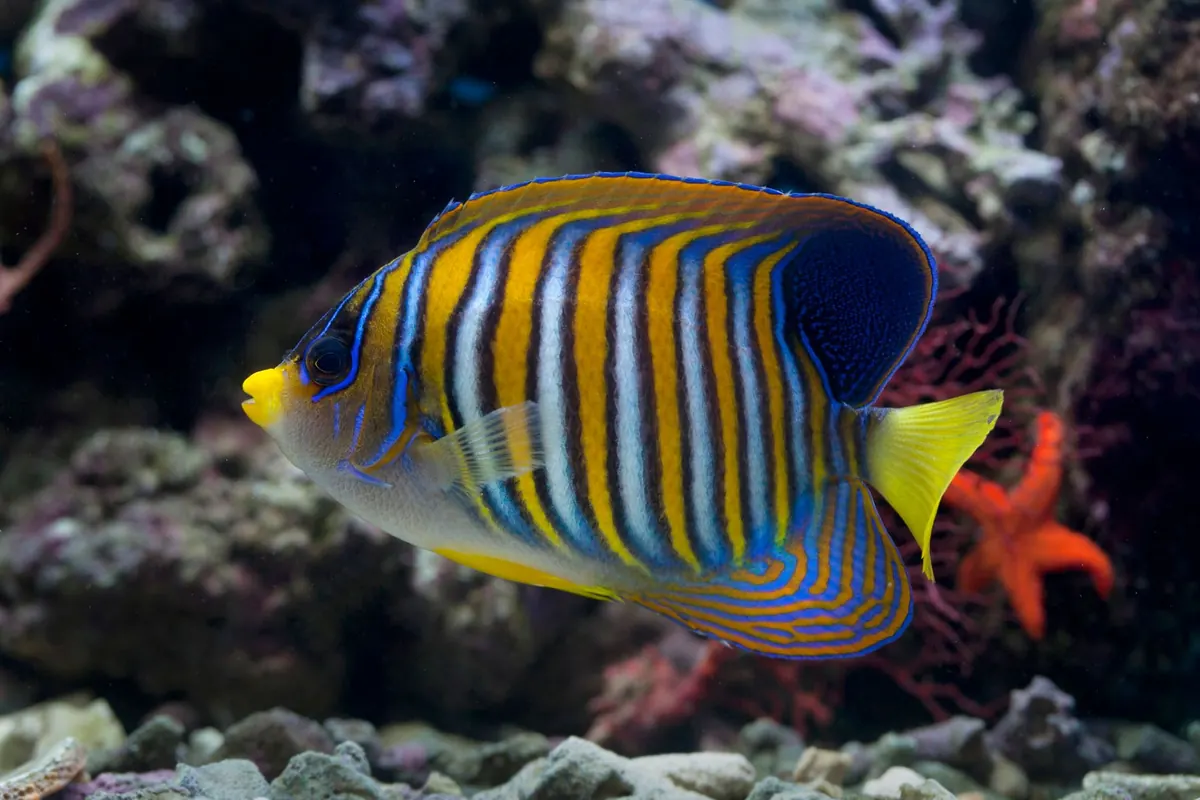
Photo: mari_di_ann / Pixabay