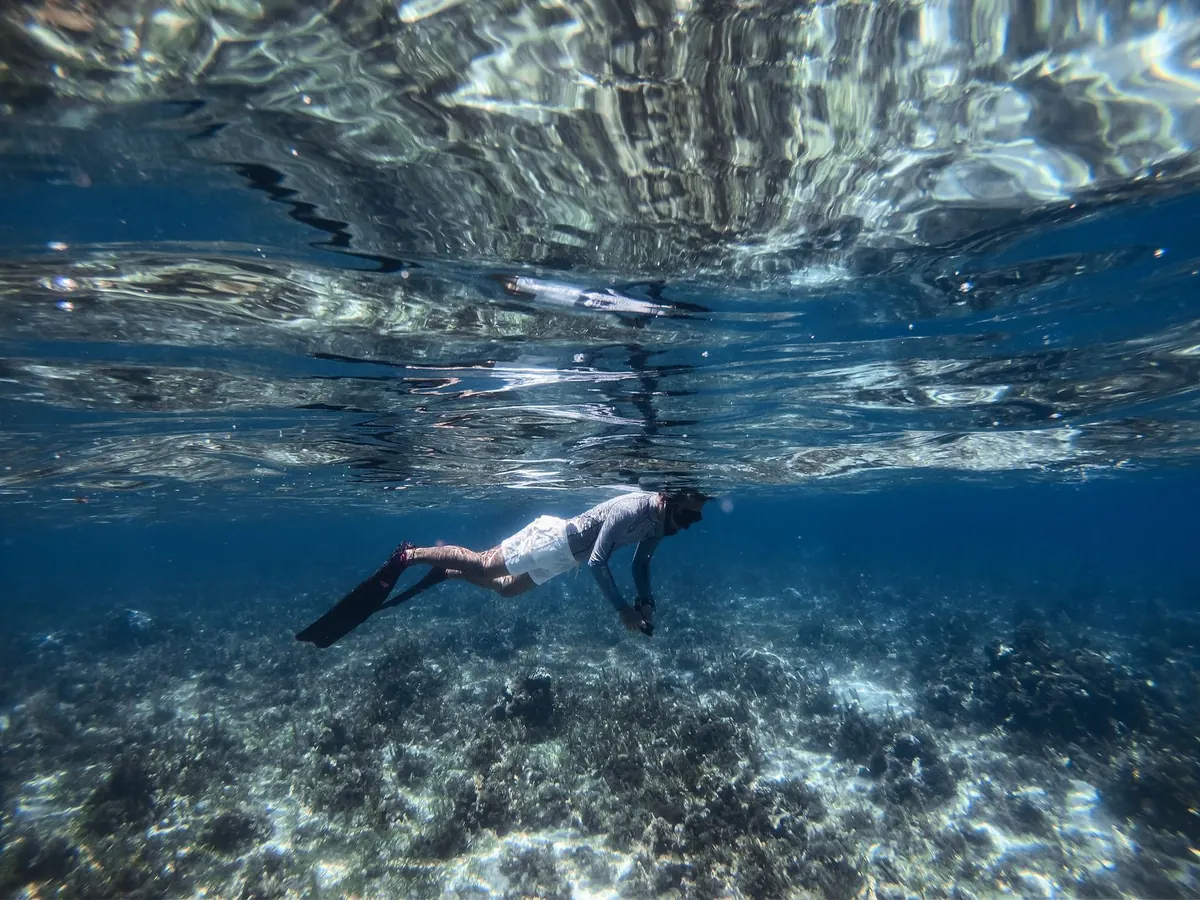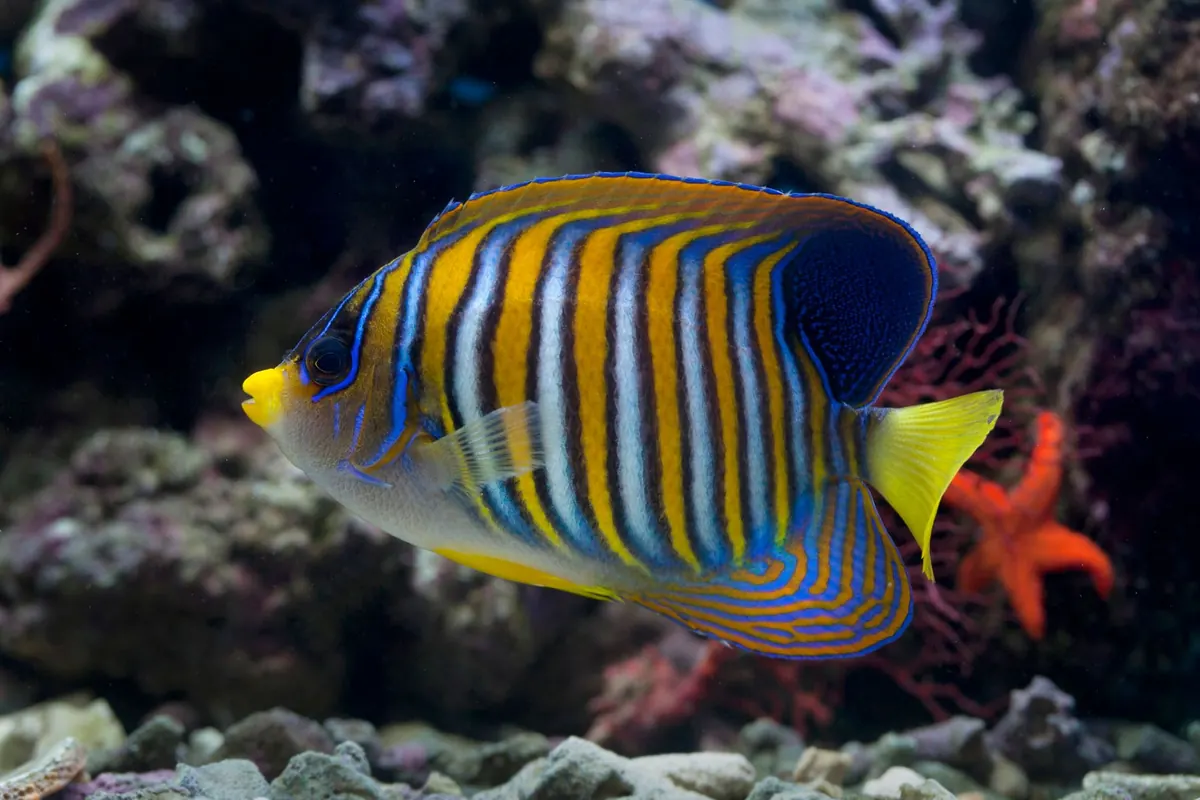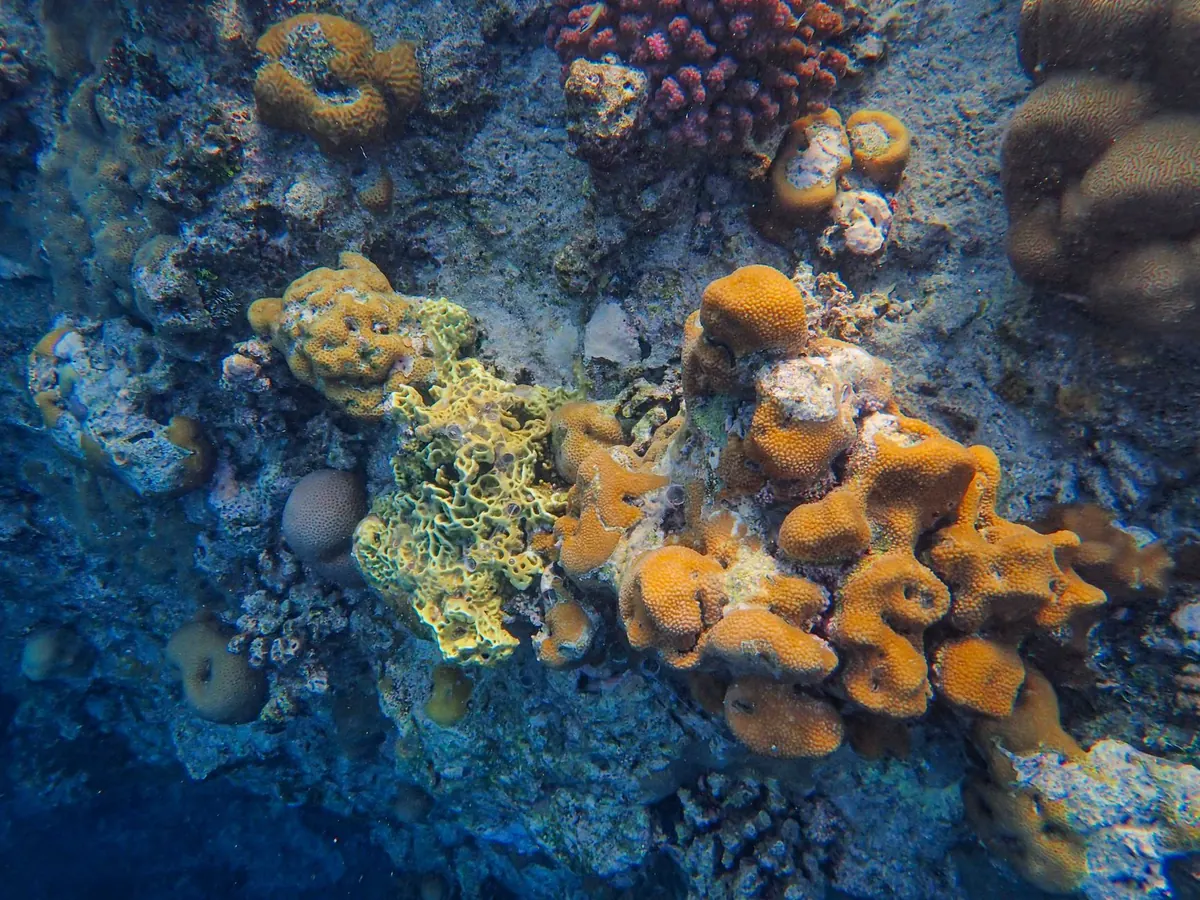
Somewhere below you, a staghorn thicket that took decades to build is now a field of pale rubble. Coral restoration exists because that scene repeats itself across the tropics every year, and because reefs left alone do not always recover at the speed we would like.
Most coral gardening projects follow the same rhythm: collect, grow, plant, monitor. The details vary enormously, and so does the quality. Here is how the work actually happens, what counts as success, and how divers can help without making things worse.
What coral gardening actually is
Corals are colonial animals, and many species reproduce by fragmentation — a branch snaps off in a storm, rolls into a crevice, and grows into a new colony. Coral gardening borrows that trick. A small fragment is taken from a healthy donor colony, grown in a protected nursery until it is big enough to survive on its own, then attached to a reef.
It is not a replacement for addressing the things that killed the coral in the first place. Poor water quality, overfishing of herbivores, coastal development and marine heatwaves all have to be tackled. Restoration buys time and protects genetic diversity; it does not fix a warming ocean, and any project that suggests otherwise deserves scepticism.
Inside a coral nursery
Nurseries are usually lines, frames, tables or tree-shaped structures anchored in sand or on reef, holding hundreds of fragments at a time. Site choice matters more than the design. A good nursery has clear, moving water, plenty of light, low sedimentation, shelter from the worst swell, and sits close enough to the reef for easy transplanting.
Once fragments are in place, the work turns repetitive and unglamorous: brushing off algae, removing coral-eating snails and fireworms, replacing ties, checking tags, noting growth. Much of it happens on scuba; some of it on snorkel.
Sexual reproduction in the mix
Fragmentation produces clones, so a reef restored only from fragments can end up genetically narrow. Many projects now also collect coral spawn during mass spawning events, raise larvae in tanks, and settle them onto tiles. It is slower, harder and more expensive, but it produces new genetic combinations — which matters when the next heatwave arrives.
Fragmentation, step by step
The process sounds simple. The discipline is in the details.
- Select donors. Healthy, robust colonies, ideally ones that have shown tolerance to heat stress. Take only a small portion, and never from a colony that is already bleached, diseased or struggling.
- Cut. Clean cutters, clean hands. Fragments are usually a few centimetres long.
- Attach. Cement, epoxy putty or cable ties hold the fragment to its plug or line. Branching species are forgiving; slow-growing massive corals need far more care.
- Grow on. Months, sometimes a year or more, depending on species and conditions. The fragment needs to encrust over its base before it can be moved.
- Record. Tag everything. Without baseline measurements, nobody can tell whether the project is working.
Outplanting: where projects succeed or fail
Moving corals onto the reef is the risky part. Good sites have firm, clean substrate rather than loose rubble; enough grazing fish and urchins to keep algae down; decent water quality; and connections to other reefs so larvae can move between them. Divers clear algae, chip a foothold, and cement the fragment in place, or wedge it into a natural crevice where it can fuse to the rock.
Timing helps. Avoid the hottest weeks of the year, and if cyclones are predictable in your region, avoid the season that brings them. Where grazing is low, cages or urchins can protect young corals while they establish. All of this costs money and time, which is why scale is the hard part — a few hundred corals on a photogenic reef is a demonstration, not a recovery.
What success actually looks like
Not the number planted in a press release. The useful measures are duller:
- Survival rates at one, two and five years — not just at the end of the planting week.
- Growth and coral cover at restored sites compared with unrestored controls.
- Return of fish, urchins, crustaceans and other reef life.
- Natural recruitment: wild coral larvae settling on their own.
- Genetic diversity across the planted population.
- Cost per coral that is still alive years later.
Failure should be published too. Storms, bleaching, disease and anchoring can wipe out a season's work, and projects that hide that are not helping anyone. A reef that comes through a bleaching event with most corals still alive is a genuine result; a reef that survives only because nothing bad has happened yet has not been tested.
How volunteer divers can help responsibly
Volunteering can be genuinely useful — often on the tasks nobody films. Cleaning nursery structures, counting fish, measuring colonies, carrying tanks, entering data, photographing sites, fundraising and helping local teams with logistics all matter.
Before you pay for a trip, ask a few direct questions:
- Does the project hold the required permits, and who issues them?
- Who monitors the site, and for how long? Ask to see results, not just photographs.
- Are local staff and fishers employed and involved, or is it visiting divers doing the work?
- What will I actually do in the water, and what training do I need first?
- What happens if the corals die?
Red flags include "plant a coral" packages with no monitoring, guests handling corals without training, no visible local partnership, and projects that cannot explain why their site was chosen. Your own skills matter too. If your buoyancy is not solid, you will damage more than you fix — invest in a buoyancy course first, keep your hands to yourself, and resist the urge to "help" a coral that looks loose.
Practical first steps
Start by finding out who is working in the water near you, or where you already dive. Tropical projects in the Caribbean, Indonesia, the Philippines and the Red Sea run volunteer programmes of varying quality. In Britain, native oyster and seagrass restoration offer similar hands-on work, while cold-water coral reefs off the west of Scotland and around Rockall are monitored by survey rather than replanting.
Then ask your questions, check the monitoring record, and choose somewhere that treats volunteers as a resource rather than a revenue stream. If you would rather not dive, donations, equipment and skills such as photography, mapping or bookkeeping are welcome at most small projects. And wherever you dive, look after your own footprint: good trim, no contact, no anchoring on reef, and support for the unglamorous work of cleaner water and protected fish stocks.
Photo: Francesco Ungaro / Pexels