Every few years, photographs circulate of reefs that look as though they have been through a hot wash with too much bleach: coral that was brown, olive or green suddenly bone white, stretching for metres in every direction. It looks dead. Often it isn't. Bleaching is a symptom, not a disease, and understanding what drives it — and what happens next — tells you most of what you need to know about the future of reefs.
What bleaching actually is
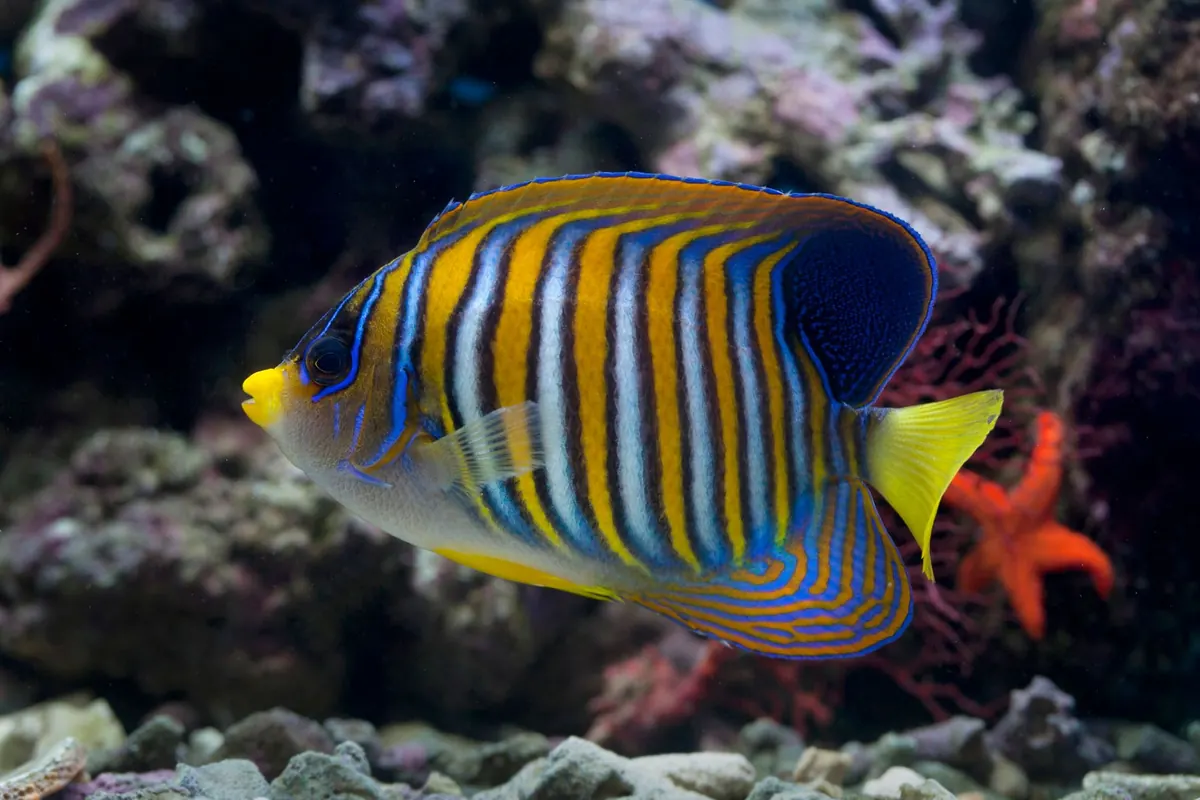
A reef-building coral is a partnership. The coral animal itself is a polyp, a small relative of jellyfish that builds a limestone skeleton beneath itself and unfurls a ring of tentacles to catch passing food. Living inside its tissue are single-celled algae called zooxanthellae. They are what gives most corals their colour, and they photosynthesise, passing sugars and other energy-rich compounds to their host. In return, the coral offers shelter, carbon dioxide and a steady supply of nutrients.
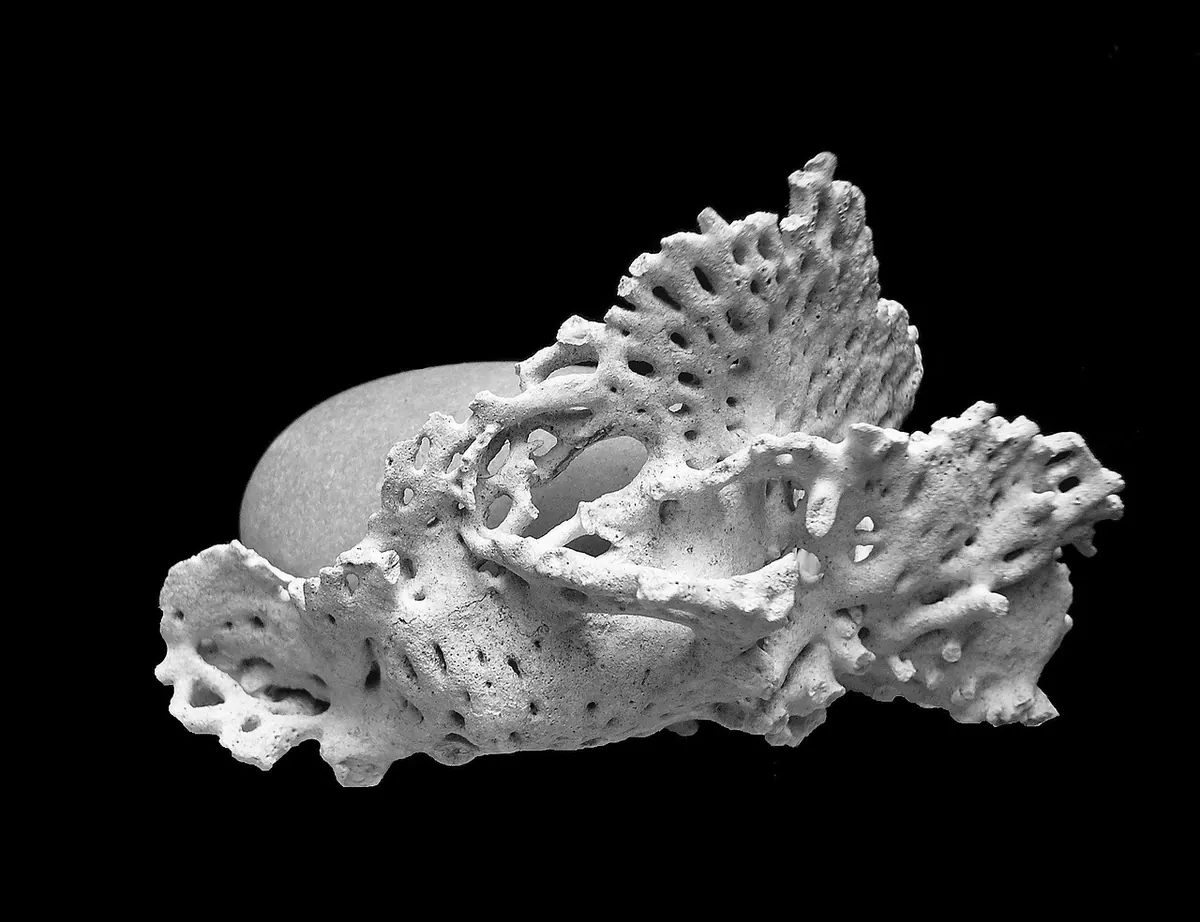
A large share of a coral's daily energy budget comes from these algae, so the arrangement is not decorative. When conditions turn hostile, the coral expels the algae, or the algae leave of their own accord, and the tissue becomes translucent, revealing the pale skeleton underneath. That is the white you see in the photographs. The colour that vanished was never really the coral's own.
Heat is the usual trigger
Bleaching has many possible causes, but the one that turns a local upset into a mass event is sustained heat. Reef corals live close to their upper thermal limit, which is why they thrive in the tropics and nowhere much colder or warmer. When water sits above the usual summer maximum for weeks rather than days, the partnership starts to fail: the algae's photosynthesis runs ahead of what the coral can manage, damaging molecules build up, and the coral's response is to evict its tenants.
A rough rule of thumb used by reef scientists: around one degree Celsius above the local summer maximum for a month is enough to bring on bleaching, and two degrees for two months can kill. Small differences matter enormously. That is why marine heatwaves, including those that arrive with El Niño years, have produced repeated mass bleaching on the Great Barrier Reef, across the Caribbean and throughout the Indian Ocean. Bleaching also tends to be patchy — shallow, sheltered and fast-growing corals go first, while deeper or more robust colonies may hold their colour for another week or two.
Other stressors that tip the balance
Heat is rarely the only thing going on. Reefs under pressure from other directions bleach sooner and die more readily.
- Unusual cold — rare in the tropics, but a sharp cold snap can bleach shallow corals too.
- Fresh water and sediment after floods and heavy storms, which smother tissue and drop salinity.
- Poor water quality, especially nutrient runoff from agriculture and sewage, which feeds algae and clouds the light corals need.
- Strong ultraviolet light during calm, glassy spells when shallow water is not mixed by wind.
- Disease and predators, from black band disease to outbreaks of crown-of-thorns starfish, which remove tissue directly.
- Direct damage from anchors, dropped cameras, trampling and careless fin kicks, which opens wounds that heal slowly.
None of these may be fatal on its own. Stacked on top of a heatwave, they decide which colonies survive and which reef zones come back first.
Bleached is not dead
A bleached coral is a starving coral, not a dead one. It can recover — if the stress eases soon enough.
When the water cools, corals can take zooxanthellae back from the surrounding water, or rebuild from the few survivors still in their tissue. Colour usually returns within weeks to a couple of months, though growth and reproduction may stay suppressed for a year or more while energy reserves are rebuilt. A colony that has bleached often comes back slightly different, hosting a slightly tougher mix of algae.
If the heat continues, bleached corals burn through their reserves, become vulnerable to disease and start to die. The giveaway is colour of a different kind: dead skeletons are quickly colonised by turf and fleshy algae, turning murky brown-green within days. Bleached white means stressed; fuzzy brown often means gone. Partial mortality is common too — a colony can die at the base and survive at the tips, which is why a heavily bleached reef can still hold living coral.
What recovery actually requires
Time without stress
Recovery begins with a break in the weather. Corals need a stretch of cooler water, ideally with some cloud cover and enough water movement to keep temperatures down. Bleaching that lasts a few weeks is survivable for many species; bleaching that drags on for months is not.
Clean water and enough grazers
Recovering corals need bare rock to settle on, and bare rock is exactly what algae want. Parrotfish, surgeonfish, rabbitfish and sea urchins graze that algae back, giving coral larvae and regrowing fragments a chance. Sediment and nutrient runoff tilt the contest firmly towards algae, which is why protecting water quality on land is one of the most effective things a coastal community can do for a reef offshore.
Connections to other reefs
Reefs rarely recover alone. Coral larvae drift on currents for days or weeks, so a damaged reef within reach of healthy ones receives a steady trickle of new settlers. An isolated patch has to rely on its own survivors, and recovery can stall for years. Marine protected areas, no-anchor zones and healthy fish populations all help keep those connections working.
The right mix of species
Branching corals such as staghorn and acropora grow fast, bleach fast and die fast. Massive boulder corals and brain corals are slower to bleach and slower to grow. A reef can regain coral cover within a decade in good conditions, but rebuilding the three-dimensional structure that fish shelter in takes far longer. Restoration — coral nurseries, out-planting fragments, breeding heat-tolerant colonies, even trialling shade cloths and brightened clouds — helps in specific places, but it works at a scale far smaller than the heat events driving the damage.
What you can do on a reef
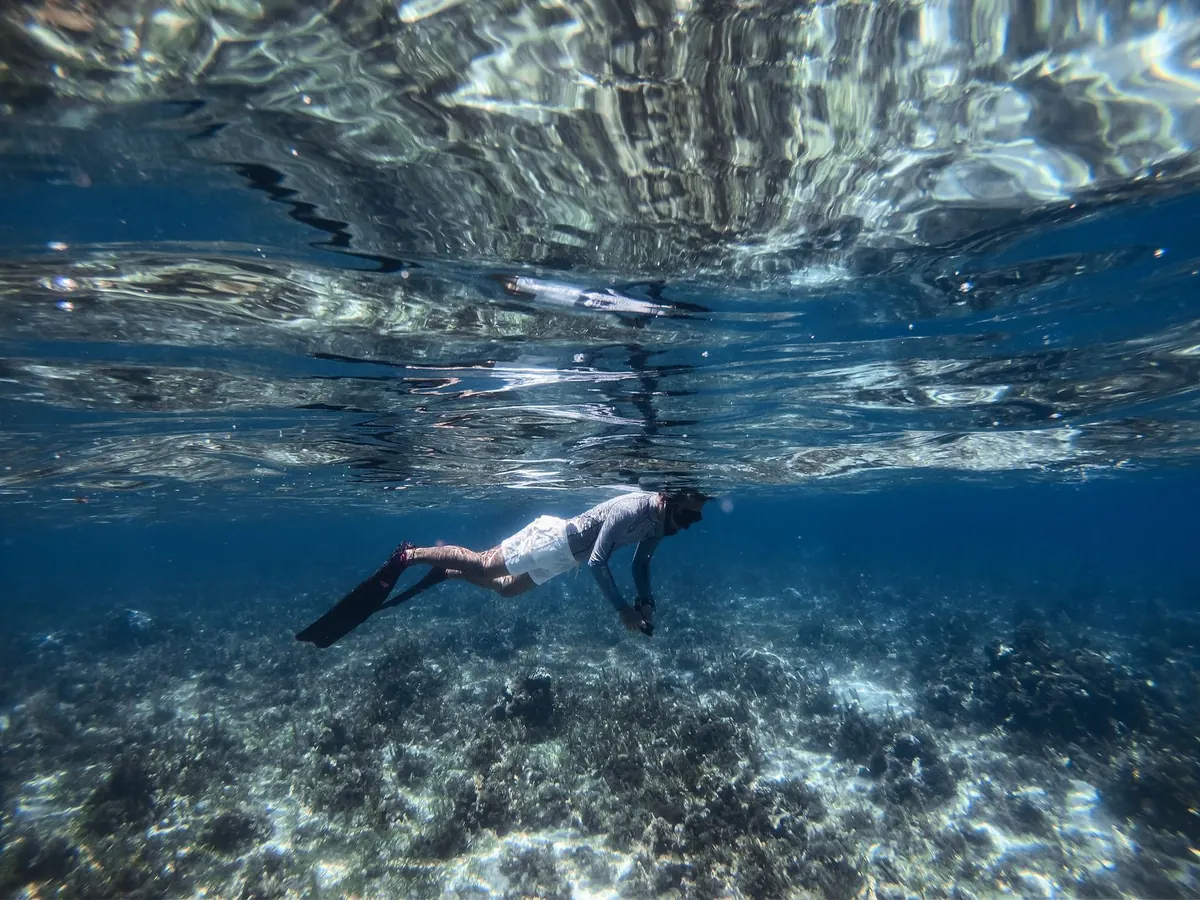
You cannot cool an ocean on a dive holiday, but you can avoid adding to the problem, and you can help document it.
- Perfect your buoyancy before you get near coral. One careless fin stroke can break decades of growth.
- Never stand, sit, kneel or rest a camera on coral, and keep gauges and hoses tucked in.
- Use mooring buoys; if none exist, anchor in sand well clear of reef.
- Cover up with a rash vest and hat rather than relying on sunscreen alone. Some common sunscreen ingredients have been linked to coral damage in laboratory studies, and covering up removes the question entirely.
- Report what you see. Citizen-science projects such as CoralWatch and Reef Check welcome records of bleached and healthy coral, and those records help researchers track events as they unfold.
- Support local marine protected areas, and reduce what washes off the land where you live — fertiliser, soil and sewage all end up somewhere downstream.
White reefs are alarming, and the trend is not encouraging. But bleaching is a response, not a verdict, and reefs that are given cool water, clean water, a few quiet years and a healthy population of grazing fish have shown a stubborn ability to come back.